
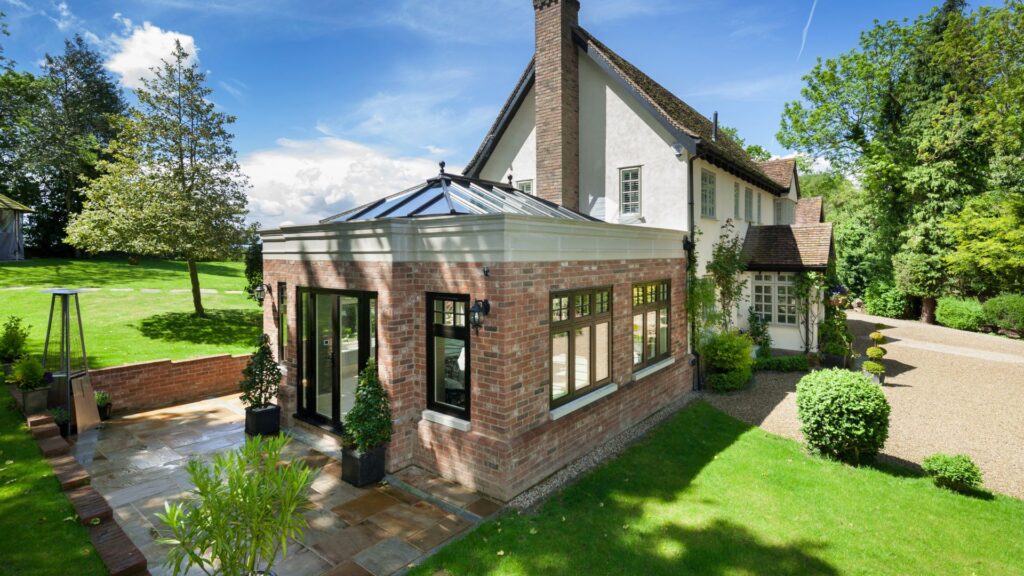
If you are planning new windows and trying to decide between aluminium vs timber alternative windows, you are not alone. It is one of the most common questions we are asked at Burgess Windows and Doors, and for good reason – both are excellent materials that suit very different properties and priorities.
The honest answer is that there is no single right choice. The best option depends on the style of your home, how you want it to look, what performance you need and how much you want to spend. What we can do is help you understand the key differences so you can make an informed decision.
In this guide, we compare aluminium vs timber alternative windows across all the areas that matter: appearance, performance, maintenance, cost and which properties they suit best.
Aluminium windows use a metal frame, typically with a polyamide thermal break running through the profile to improve energy efficiency. They are known for their slim sightlines, strength and clean, contemporary appearance. At Burgess, we supply aluminium windows from Origin and Aluco – two of the leading UK brands in the market.
Aluco is particularly well suited to properties that originally featured steel Crittall-style windows, replicating those slim, industrial frames in a modern, low-maintenance aluminium format. You can see the full range on our aluminium windows page.
Timber alternative windows are made from uPVC but engineered to replicate the look of traditional timber frames. At Burgess, we offer three leading systems in this category: the Residence Collection, which is designed to mirror 19th century timber joinery and is frequently approved in conservation areas; Evolution, a handcrafted UK-made system ideal for period homes and country cottages; and the Bygone Collection, which specialises in sliding sash windows and is the ideal choice for Victorian and Georgian properties where that traditional up-and-down sliding action is an important part of the character.
All three deliver the warmth and character of timber without the ongoing maintenance demands. You can explore all of our timber alternative systems on our timber alternative windows page.
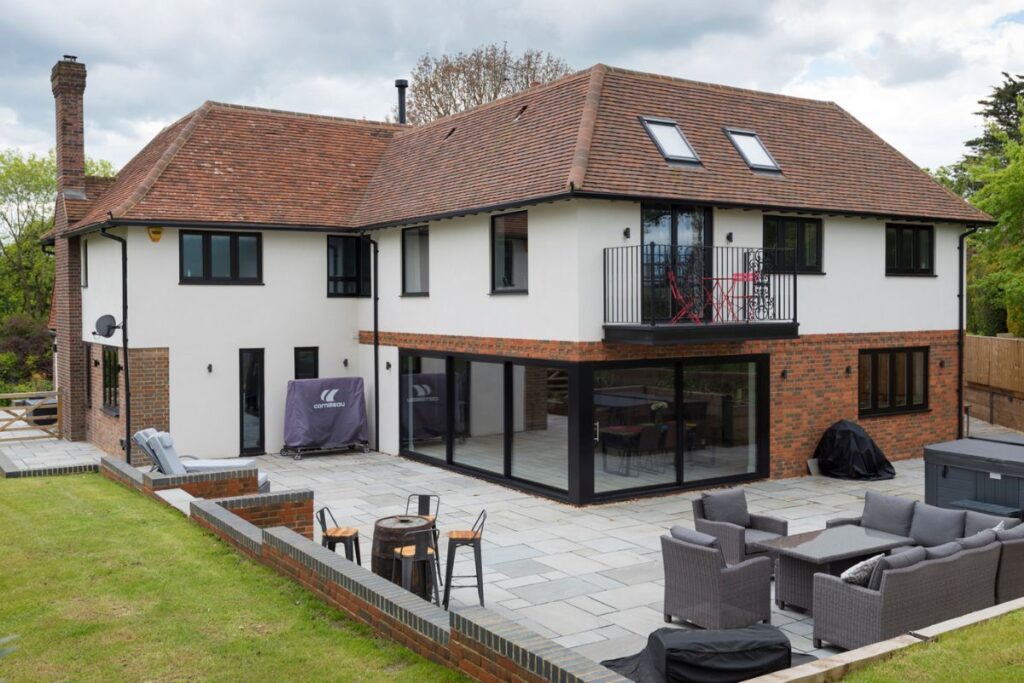
This is often where homeowners start – and rightly so. The look of your windows has a significant impact on the overall character of your property.
Aluminium windows have a sleek, architectural quality. The profiles are slim, the lines are clean and they tend to suit contemporary or modernised properties very well. They are available in a wide range of powder-coated colours, including dark anthracite tones that have become increasingly popular on modern homes and extensions.
Steel-look aluminium systems like Aluco take this further, offering very narrow sightlines that mimic the appearance of original Crittall frames – excellent for 1920s and 1930s properties or barn conversions where that industrial character is part of the building’s identity.
Timber alternative windows are designed to look like wood. Systems like the Residence Collection feature flush casements, mechanical joints and authentic woodgrain textures that closely replicate the proportions and detailing of traditional timber windows. When fitted correctly on the right property, it can be genuinely difficult to tell them apart from real wood.
Evolution offers a similar level of authenticity, with deep timber-effect profiles, traditional ironmongery options and a wide choice of heritage finishes. For homes that specifically suit sliding sash windows, the Bygone Collection replicates the traditional box sash design with exceptional accuracy, including authentic sash horns, deep bottom rails and heritage hardware – approved in conservation areas and A-rated for energy efficiency. All three systems are particularly well suited to period properties where maintaining the original character of the building is important.
In simple terms: if you want a clean, modern look, aluminium is likely to suit your home better. If you want warmth and traditional character, timber alternative is the stronger choice.
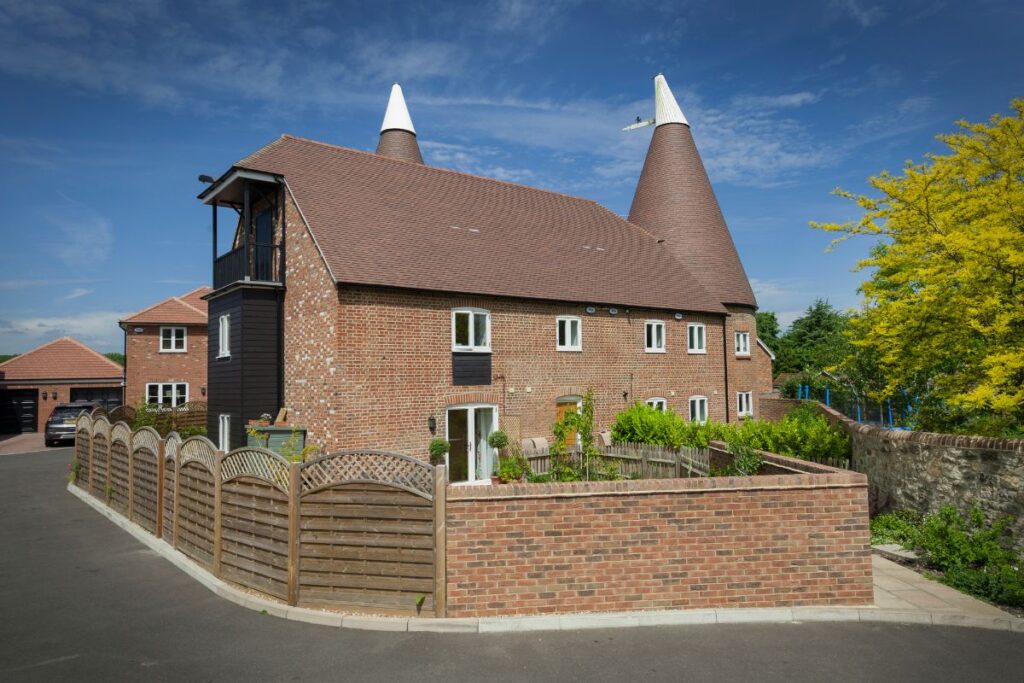
Both aluminium and timber alternative windows can deliver excellent thermal performance when specified correctly. Here is how they compare:
Modern aluminium windows use a thermal break – a strip of polyamide insulation running through the frame – to reduce heat transfer. This significantly improves their energy efficiency compared to older aluminium systems. Origin and Aluco windows can achieve strong U-values that comfortably meet and exceed current building regulations requirements.
Aluminium is also exceptionally strong, which means thinner profiles can span larger glazed areas without compromising structural integrity. This is one reason they are popular for large contemporary openings where maximum light is a priority.
Timber alternative uPVC frames use multi-chambered profiles to trap air and reduce heat loss. Systems like the Residence Collection achieve excellent U-values and perform very well in terms of acoustic insulation too – an important consideration for homes on busier roads or in urban areas.
Evolution windows achieve U-values as low as 1.4, comfortably within modern energy efficiency requirements, and can be specified with double or triple glazing depending on your performance priorities.
The Bygone Collection is A-rated for energy efficiency and approved by the Energy Savings Trust, making it an excellent performer for period homes where a sliding sash style is required.
Both materials perform well for energy efficiency in 2026. The difference is marginal for most homes – your choice is more likely to come down to aesthetics and budget than thermal performance alone.
Aluminium is extremely low maintenance. The powder-coated finish is durable, resistant to fading, and does not need painting or treating. General cleaning with warm soapy water is all that is required to keep them looking good. There is no risk of warping, rotting or swelling, and the frames will not corrode.
This makes aluminium windows a strong choice for anyone who wants a genuinely hands-off product with a long lifespan.
One of the key reasons homeowners choose timber alternative over real timber is maintenance. Unlike real wood, uPVC timber alternative windows do not need painting, sanding or treating. They are resistant to rot, moisture and warping, and simply need wiping down occasionally to keep them clean.
The woodgrain foil finish on systems like Evolution, the Residence Collection and the Bygone Collection is designed to be long-lasting and colourfast, though it is worth noting that it cannot be repainted if you change your mind about the colour later – unlike real wood or aluminium, which can be recoated.
In terms of day-to-day maintenance, both materials are very similar. Neither requires significant ongoing upkeep.
This is where the choice often becomes clearer. The style and age of your property is one of the most useful guides when comparing aluminium vs timber alternative windows.
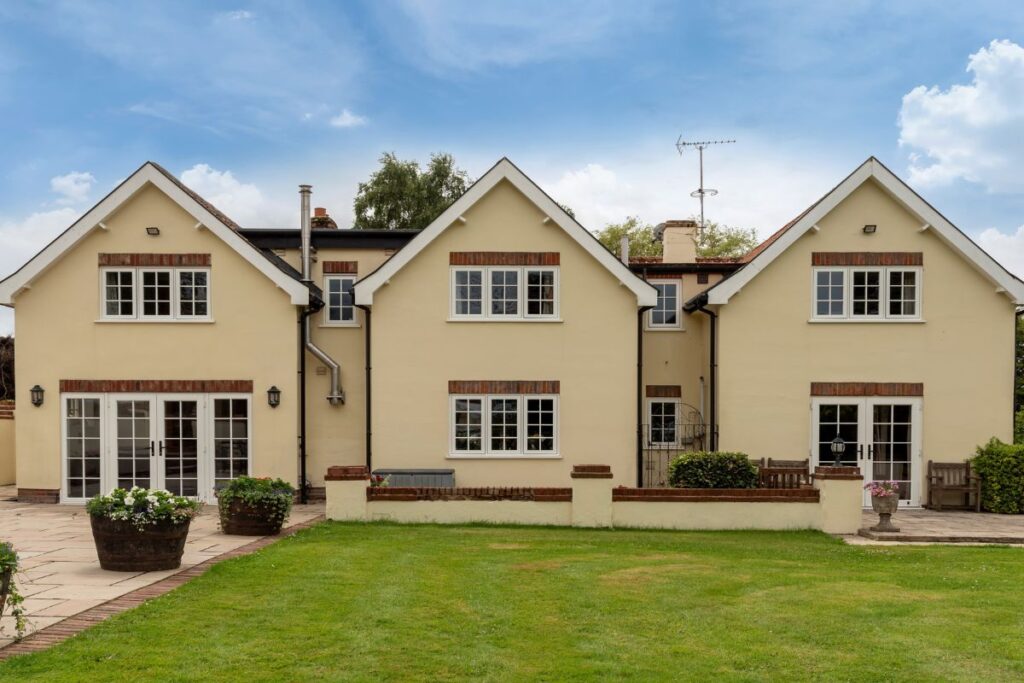
Cost is always a factor, and it is worth being realistic about how aluminium and timber alternative windows compare at different price points.
As a general guide, timber alternative uPVC windows tend to be more affordable than aluminium at a like-for-like level. However, the gap narrows when you are looking at premium timber alternative systems like the Residence Collection or Evolution alongside mid-range aluminium products.
Aluminium windows – particularly steel-look systems and premium brands like Origin – tend to sit at a higher price point, reflecting the material costs and engineering involved.
That said, both are long-term investments. A well-installed set of windows from either category should last 25 to 35 years or more with minimal upkeep, so the total cost of ownership over the lifetime of the product is often more useful than the upfront price alone.
For a clearer idea of what new windows are likely to cost, our blog on new windows and doors cost in the UK is a useful starting point.
If your home is in a conservation area or is a listed building, the choice between aluminium and timber alternative windows may be influenced by planning requirements.
Timber alternative systems – particularly the Residence Collection, Evolution and the Bygone Collection – are frequently approved in conservation areas because of how closely they replicate traditional timber windows. Their proportions, sightlines and woodgrain textures make them a sympathetic choice that planning officers are familiar with.
Aluminium windows can also be approved in conservation areas, particularly steel-look systems where the original building featured metal frames. The Planning Portal is a useful starting point for checking what applies to your property.
Our blog on planning new windows and doors in 2026 permitted development and planning rules in more detail if you are at that stage of the process.
To help bring the aluminium vs timber alternative windows comparison together, here is a breakdown across the key areas:
At Burgess Windows and Doors, we supply and install both aluminium and timber alternative windows across Buckinghamshire and the surrounding areas. As a family-run business with over 25 years of experience, we take time to understand your property and your priorities before making recommendations.
We are approved installers of Origin, Aluco, the Residence Collection, Evolution and the Bygone Collection, which means we can offer genuinely impartial advice across both material types – whichever is right for your home.
All our installations are FENSA-registered and come with a comprehensive guarantee. You can learn more about how we work on our About Us page.
When comparing aluminium vs timber alternative windows, the right answer is almost always the one that suits your specific property best. Both materials offer excellent performance, low maintenance and a long lifespan – the key difference is in the aesthetic they deliver.
If you are unsure which direction to go, our team is happy to talk it through with you. We can advise on what will look right for your property, what is likely to be approved if you are in a sensitive planning situation, and what fits within your budget.
Get in touch via our Contact page, give us a call on 01280 815493, or visit our showroom to see both materials in person.
















© 2026 Burgess Windows and Doors Ltd. All Rights Reserved. Privacy Policy Website by Space Five