
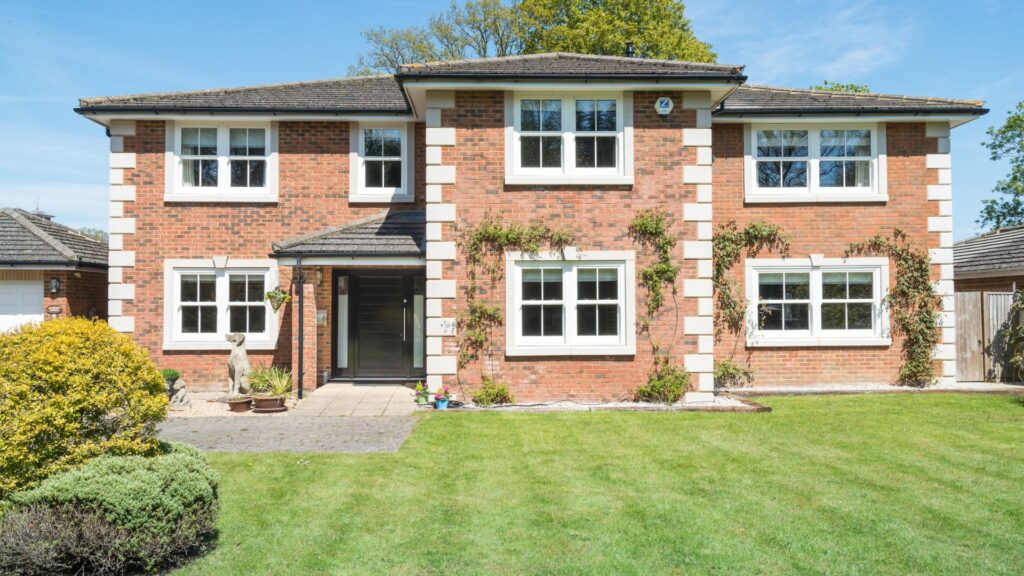
Period homes in Buckinghamshire present a unique set of considerations when it comes to choosing new windows. Whether you own a Victorian terrace, an Edwardian semi, a Georgian townhouse or a traditional country cottage, the windows you choose need to work with the character of the property, not against it.
The good news is that the options available today are far better than they were even ten years ago. Modern materials and systems have come a long way, and it’s now entirely possible to achieve windows that look the part while delivering the performance and security you’d expect from a contemporary product.
In this guide, we cover the main window options for period homes in Buckinghamshire, what to think about before you decide, and how planning and conservation rules might affect your project.
Before looking at specific materials or styles, it’s worth understanding the context of your property. A few key questions will help narrow down the right approach:
Many parts of Buckinghamshire, including towns like Beaconsfield, Olney, Buckingham, and villages across the Chilterns, fall within conservation areas where the appearance of windows is carefully managed. It’s always worth checking with your local planning authority before proceeding. The Planning Portal is a useful starting point for understanding whether permitted development applies to your project.
Each of the main window materials has its strengths when it comes to period properties. Here’s a breakdown of what’s available and where each one tends to work best.
For many period homes in Buckinghamshire, timber alternative windows are the most practical and sympathetic solution. Two systems in particular stand out for period properties – the Residence Collection and Evolution – both of which replicate the look of traditional timber windows while delivering modern performance and low maintenance.
The Residence Collection is specifically engineered to mirror the elegant proportions of 19th century timber joinery, with deep rebates, mechanical joints and authentic woodgrain textures. It is frequently accepted by planning authorities and conservation area officers as a genuine timber alternative.
Evolution takes a similar approach, with handcrafted flush and storm casement windows designed for period homes and country cottages. With timber-effect finishes, U-values as low as 1.4, and over 200 RAL colour options, it delivers real character without any of the upkeep demands of real wood.
The benefits of both systems include:
At Burgess, we supply both the Residence Collection and Evolution ranges. If you’re unsure which system suits your property, or whether either would be accepted in your conservation area, we can advise on the right approach. You can explore both on our timber alternative windows page.
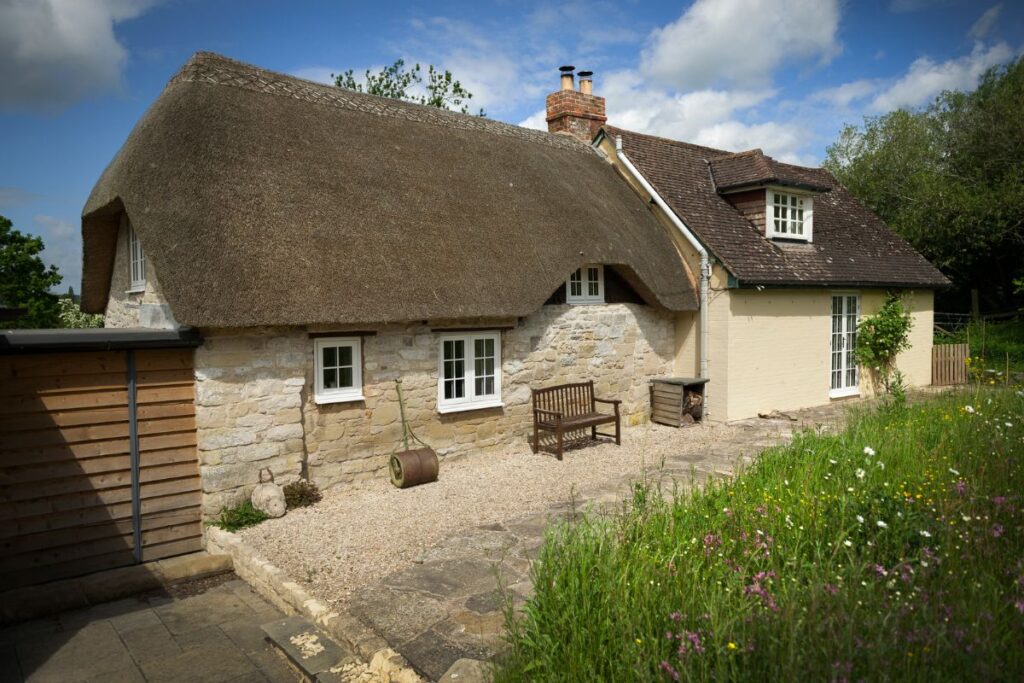
For Georgian, Victorian and Edwardian homes in particular, sliding sash windows are often the most appropriate replacement option, and sometimes the only option acceptable to planners.
Modern sash windows combine the traditional up-and-down sliding action with:
Our sash windows range includes systems from the Bygone Collection, designed specifically to replicate traditional sliding sash proportions using modern manufacturing. You can explore these on our sash windows page.
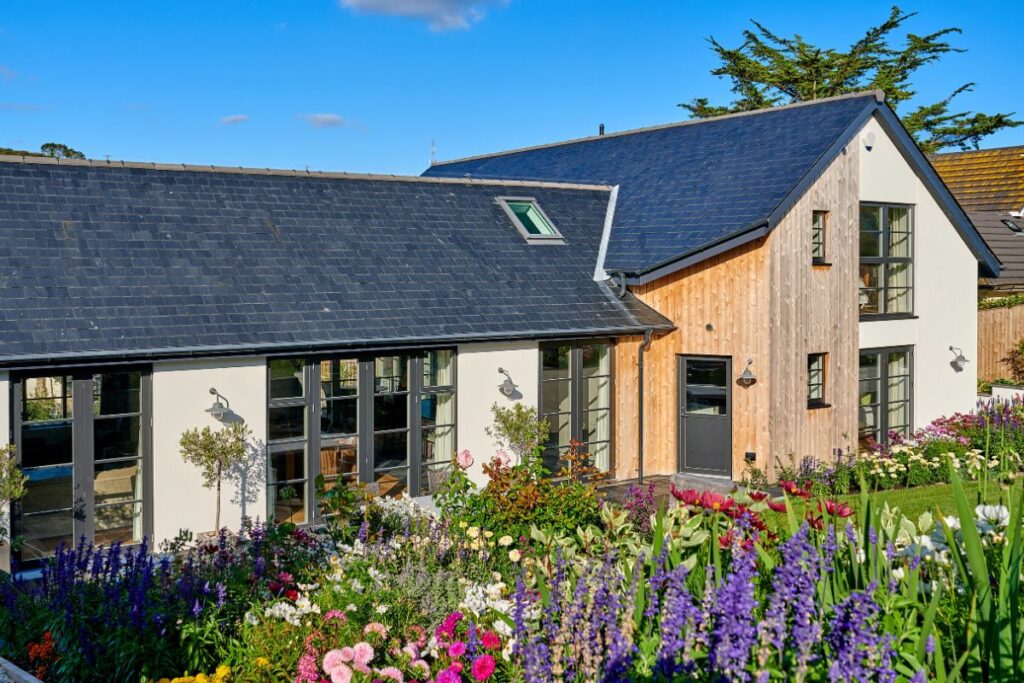
For homes that originally featured metal Crittall-style windows – popular in properties built in the 1920s and 1930s, and also in converted farm buildings and outbuildings – steel-look aluminium is an excellent modern alternative.
Systems like Aluco replicate the narrow sightlines and industrial character of original steel windows while delivering:
Steel-look windows are growing in popularity across Buckinghamshire, particularly for barn conversions, Arts and Crafts properties and homes where the original character depended on slim metal frames. You can explore our full range of aluminium windows to see what’s possible.
For high-end renovations where genuine timber warmth inside the home is important, composite windows offer an excellent solution. These systems feature a natural timber interior with a protective aluminium cladding on the outside.
Key advantages include:
Composite windows tend to suit larger, higher-specification projects such as whole-house refurbishments or self-builds, where energy performance and interior aesthetics are both priorities.
If your home is listed or sits within a conservation area, the approval process is different to standard permitted development.
For Grade I and Grade II listed properties, Listed Building Consent is required before any alterations to windows. The expectation in most cases is that replacements should match the original windows as closely as possible in terms of material, profile and detail.
Timber or high-quality timber alternative systems are often specified in these situations. In some cases, secondary glazing may be recommended as a more sympathetic option.
In conservation areas, replacing windows may require planning permission rather than relying on permitted development rights, especially if an Article 4 Direction is in place. Councils across Buckinghamshire, including Buckinghamshire Council and South Bucks, have design guidance that often specifies acceptable materials, colours and glazing bar configurations.
The key principle is that replacements should preserve or enhance the character of the area. This doesn’t always mean timber – high-quality timber alternative windows with the right proportions and finishes are frequently approved.
For most homes outside of conservation areas and where the property isn’t listed, replacing windows is covered by permitted development, meaning you don’t need planning permission, provided the work is carried out by a FENSA-registered installer.
Building regulations still apply in all cases, covering:
At Burgess, our installations are FENSA-registered, and we handle all the compliance documentation on your behalf. We also support clients who need guidance on what’s required in sensitive planning situations. You might also find our blog on planning new windows and doors in 2026 useful if you’re at an early stage of planning.
There is no single right answer for every period home, it depends on the age and style of the property, the location, your budget and what you’re trying to achieve.
As a general guide:
Getting the detail right – sightline widths, glazing bar profiles, hardware and colour – can make a significant difference to how the finished result looks and feels. It’s worth spending time on these decisions.
Burgess Windows and Doors is a family-run business with over 25 years’ experience working on period homes in Buckinghamshire and surrounding areas, across a wide range of property types and styles.
We have experience working on:
Our team takes time to understand each project properly before making recommendations. You can learn more about our approach on our About Us page.
New windows for period homes in Buckinghamshire don’t have to mean compromise. With the right material, style and specification, it’s possible to replace windows that look entirely in keeping with the original property while delivering far better performance, security and thermal efficiency.
The key is choosing the right system for your specific property type and planning context, and working with a team who understands how to get that balance right.
If you’re planning new windows for a period home in Buckinghamshire and would like some guidance on the options available, our team would be happy to help. Get in touch via our Contact page.

















© 2026 Burgess Windows and Doors Ltd. All Rights Reserved. Privacy Policy Website by Space Five